Jack Espy: Building Spirited Hive on Passion, Community, and the Courage to Start
George Wright III sat down with Jack Espy, founder and CEO of Spirited Hive, for a conversation that cuts to the heart of what it really takes to turn a raw idea into a real company. Jack launched Spirited Hive in May 2022 in Nashville, Tennessee, after spending the pandemic mixing honey-sweetened cocktails for friends and realizing he had something worth building. The Authority Formula Podcast, produced in partnership with Valiant CEO Magazine, is exactly the right venue for a story like this: an entrepreneur who skipped the backup plan and bet on himself.
If you are a founder sitting on an idea you have not acted on yet, this episode is your sign to keep reading.
How a Pandemic Side Project Became a Real Company
Jack graduated from USC in 2020 straight into a global shutdown. A job in capital markets fell through, which left him, by his own description, jobless and at home mixing one too many quarantine cocktails. He was making Moscow Mules and Mexican Mules for his friends when they told him the drinks were good enough to sell. That feedback sparked the idea for Spirited Hive: a better-for-you canned cocktail sweetened only with honey, with no cane sugar and no artificial sweeteners.
The brand grew from there. As Jack developed the product, friends asked for versions built around vodka, bourbon, and gin, not just tequila. That request gave him the architecture of the brand: not one drink for everyone, but one philosophy for everyone in your circle. The name Spirited Hive, and the question at the center of it, "who is your hive," followed naturally.
Why You Do Not Need to Have It All Figured Out Before You Start
Jack spent about two years getting the product to market, navigating an industry he describes as one of the most complex and saturated in the world. He had no background in beverage manufacturing, no distributor relationships, and no roadmap. He learned everything as he went.
"You don't need to have everything figured out to launch a company. I think the biggest thing and the biggest hurdle that it takes for a lot of entrepreneurs is they think they have to have everything figured out before they can start. And that's just not the case."
That is not a platitude. Jack was simultaneously enrolled in an NYU master's program in real estate finance when he made the call to go all in on Spirited Hive. He was missing homework deadlines because he was chasing distributors. The decision came down to a simple observation: NYU would always be there, but the canned cocktail market was moving fast, and the window to build something meaningful in it would not stay open forever. He chose the window.
What the "Go All In" Moment Actually Looks Like
A lot of entrepreneurs talk about going all in, but Jack describes a specific inflection point that founders rarely mention: the moment when success becomes terrifying. It was not failure that scared him. It was when customers started buying and the product sold out.
"What's the worst that can happen? The worst thing I can do is fail. So just go and see."
Before that moment, Spirited Hive was an experiment with low stakes. After it, Jack realized he was running a full-time company that required everything he had. His stepfather, himself a founder, pushed back at first. Jack pushed harder. He made the jump, and he credits the momentum of that early traction with forcing his hand in the best possible way.
How Failure Becomes an Asset: The Typo Story
Jack shared one of the most instructive early failures you will hear from a young founder. Spirited Hive had printed 35,000 variety-pack cartons with a typo: the word "tequila" was missing a letter. Jack was on a red-eye flight, not feeling his best, when his designer called to break the news. A significant sum of money had just gone to waste, and the summer selling season was already closing in.
His response was to take full ownership. As the CEO, the mistake was his, regardless of who in the process should have caught it. He then found a practical solution: the misprinted cartons became influencer gift boxes, a format that turned out to be an effective way to seed the brand. The problem became a tool.
The lesson Jack drew from it applies beyond packaging errors: the bigger the company gets, the bigger the problems get. What feels like a catastrophe early on will look like a pebble in the road a few years later. The ability to absorb the hit, take responsibility, and find the forward path is the skill that actually separates founders who make it from those who do not.
Why Community Is the Foundation of the Spirited Hive Brand
Spirited Hive did not set out to build a community program. The community was the origin. Jack would not have created the company without his friends around him during the pandemic. The brand's central question grew straight from that experience.
"Who's your hive, who's your community, who are the people that you love to spend time with and toast to a life that is sweet with your hive."
Today, Spirited Hive runs an ambassador program in every market it sells in. Ambassadors host events, workouts, and activations that bring people together under the brand's banner. Jack calls the format "type two fun": activities that are hard while you are doing them but rewarding afterward, and significantly better when shared with people you care about. Think a Barry's Bootcamp class or a group run, followed by a Spirited Hive.
For George, this resonated directly with the philosophy behind The Daily Mastermind: two or more people coming together around a shared purpose creates outcomes that none of them could build alone. The hive is not a marketing hook. It is the actual mechanism.
How to Build a Brand That People Buy Into
Jack's practical advice for entrepreneurs looking to launch or grow comes down to one word: story. Consumers today do not just purchase products with good packaging and clean ingredients. They invest in brands that have a reason to exist, a founder's journey they can follow, and a community they want to join.
For Spirited Hive, that story is organic: a college graduate mixing drinks during a pandemic, iterating on a name, building out a product line in response to his friends' preferences, and eventually betting his graduate degree on the outcome. It is specific, it is honest, and it is easy to repeat. Jack's advice is not to fabricate that kind of narrative, but to spend real time identifying what makes your brand different and then building a story around that difference that your customer can genuinely buy into.
The features matter, but the story is what makes the features stick.
Action Steps
- Start before you are ready. Get a version of your idea into the hands of real people and let their feedback shape the product, the name, and the positioning.
- Identify your "all in" moment. Recognize when you are splitting focus between a backup plan and the real opportunity, and make a conscious decision about which one deserves your full attention.
- Build your brand around a genuine story. Articulate what makes your vision different, document the origin honestly, and make it easy for customers to understand and repeat that story.
- Own your mistakes at the leader level. When something goes wrong, take responsibility publicly and immediately, then redirect your energy to finding the best available path forward.
- Design for your community first. Think about who your product is really for, what they do together, and how your brand can become part of that experience rather than just a product they purchase.
Spirited Hive is a canned cocktail brand. But the reason it is growing is because Jack Espy built it around the people who mattered to him, stayed honest about what he did not know, and moved fast enough to earn the right to learn. It is never too late to start living the life you were meant to live, but the key is exactly what Jack said: stop waiting to have it all figured out and just get going down the road.
Jack Espy
Meet Nashville’s Rising Stars: Jack Espy of Spirited Hive Born in Denver, Colorado and raised in Santa Barbara, Jack Espy currently splits his time between Nashville and New York City, the first two markets Spirited Hive has entered. Inspired by his love of creating quarantine cocktails for his “hive,” Jack embarked on a new career, leaving behind the world of real estate finance to start Spirited Hive. When not spending time with his hive, Jack has an active lifestyle and spends his time at the gym, exploring the outdoors, and listening to his favorite country music artists.
Read the full transcript
Welcome back to the Authority Is podcast, where we help you to grow your business, attract new opportunities, and outpace your competition. My name is George Wright III. I'm your host, and I've been partnering up with Valiant CEO Magazine to bring you the hottest entrepreneurs, thought leaders, and experts from around the world that are crushing it in business. Together, we're going to unpack strategies and tactics that they're using to become the authority in their field. And my goal is to help to inspire and motivate you to do the same. So let's get right into it. Welcome back, George Wright III. We're joined today by an awesome CEO. I've had a chance to get to meet him, Jack Espy. And he's the CEO of Spirited Hive. And we're going to talk about some things because I really, I wanted to have him on the show because I was excited about how he put his vision into reality and also talk about some leadership things and stuff. So Jack, welcome to the show, man. Yeah, thank you so much for having me on. Excited to be here. Yeah, this is great because I think a lot of people sometimes that I interview have these big success stories and people think, oh man, where did they start? Where are they coming from? And you really have been able to create something amazing in the last little while. And it's like the perfect entrepreneurial story of having an idea in a really rough, difficult time, the pandemic, and pulling something to action. So do me a favor, just so people get to know you, Give us the origin story. Tell us when you started Spirited Hive, why you did it, and a little bit of the story is how you got it started, and then we'll dig into it a bit. Totally, yeah. So the whole idea started at the beginning of the pandemic. So I was actually in college. I was at USC in LA, and my whole background was real estate finance, real estate development. And I graduated in 2020, so straightened the pandemic. And I was supposed to accept the job in capital markets in Los Angeles. And unfortunately, that job fell through because it was right at the beginning. And they're like, hey, look, we're not hiring anyone right now. And I totally understood. Nonetheless, that left me jobless right out of college. And like everyone else at this point in time, I was at home mixing up one too many quarantine cocktails. And I was making two drinks for my buddies, which my two favorite drinks are Moscow Mules and Mexican Mules, or they were at the time. And I was making these drinks for all my friends during the pandemic. And they were like, Jack, these drinks are really good. you should hand them. Because I was right at the beginning of the whole can cocktail boom. There's pretty much a new can cocktail coming out every single week. And sitting there and I'm like, I've got nothing else better going on. Why not? It'd be cool to create my own brand. And at this point in time, no one knew how long the pandemic was really going to last. And this would be fun to pass the time. And once the COVID's over, I'll go back to real estate finance and it'll just be a fun kind of thing to do, like a passion project. And we're all sitting there thinking about different names for this brand and i was like wait guys what about the name mint b and they're like first of that's the stupidest name i've ever heard of but why mint b and i was like oh because there's mint and a moscow and b because they're they're both sweetened with honey and they're like dude what are you talking about there's no honey in either of those drinks and i was just gonna say i don't i didn't get that so you're catching me there yeah so it's funny because i'm not a mixologist and it's funny now because everyone's oh you're creating this cane cocktail you must be a mixologist. And I'm like, no, I just fell into this. And I was like, oh, I never knew that there was honey. There wasn't honey in the Moscow meal. So I'm sitting there with my buddies and I'm like, what if I took a different approach at this whole cane cocktail category and made it a better for you cane cocktail that was only sweetened with honey? No cane sugar, no sucralose, no any artificial sugars at all. Just sweetened with honey. Because I'm really big into health and fitness and I really care about achieving my goals in the gym but also i don't like waking up and feeling crappy in the morning after having a couple of drinks and a lot of that comes from sugar and the ingredients that are used so i was like i want to take a different approach and create a better food can cocktail and that's what sparked this whole idea for hives so then went down the road of creating one that was our tequila so our take on a mexican mule and then was bringing that to parties during the pandemic and then my friends that were girls were like hey i love this idea but does it work vodka so that i made one with vodka and then my bourbon loving buddies were like hey does a carobin and then a gin so then it was a culmination of this whole idea of who's your hive who's your community who are the people that you love to spend time with and toast to a life that is sweet with your hive and not everyone in your hive likes tequila they might like bourbon gin or vodka but now we have all the alcohol basis so anyone in your hive if they like that idea of a better few can cocktail sale, we have one for them. So that was all teased out. And then it took me about two years to get the product to market. I was very naive to this industry. Took me about two years and then we launched in May of 2022 in Nashville, Tennessee. So we've been in market for just about two years now. Wow, man, guys, listen, there are so many freaking lessons in what he just said. We're going to break them down. But man, first of all, congrats. That's a great story. And also, you've really been able to bring your vision to reality, which is great. But I always tell people when they're getting started, because they try to figure everything out ahead of time. And I always tell them some of the most successful entrepreneurs I know, you're definitely included in that. They just have an idea and they say yes, and then they go figure it out. You didn't, not only did you figure it out as you went along, but it sounds like the idea developed as you went along. In other words, you were starting with the idea and you were moving down the road when you perfected the name, you perfected the other products, you perfected the other things. So I really feel like, what do you say to people that generally are like, okay, I think I have an idea. I don't really know where you went out and took that idea out and got the feedback you needed to move forward. Is that something that you thought about or did you just start doing it and it all came together? Yeah, I literally just started doing it. And it was interesting because I was asked actually on a podcast not too long ago like what was the scariest part at that point And the scariest part was an actually when we got recognition and people were like yeah this is great Let get this thing going Then I was like wow like this is legit Because for so long, this was during the pandemic. And I'm like, yeah, I don't really know what's going on. I have this idea. I'm going for it. Oh, I'm working with a formulator and then I'm producing it on a small scale. And then, oh, I got a distributor. Very cool. I can sell it into retail. And then it was like people were actually buying it and we sold out. and I was like oh wait this is scary now this is this is real this is legit this is a full-time company that I have to give my all into it but if for anyone out there that's listening and they have an idea that they're passionate about that's the biggest thing if you have an idea that you're passionate about you don't need to have everything you don't need to have all the I's dotted and the T's crossed and so many people will tell you different I didn't and it's something that you can learn as you go and you also figure those things out as you go we didn't have this whole idea of the hive community until months and months, almost probably a year down the road. And that's like a big thing behind our marketing. And a lot of that gets teased out as you develop the brand. So you don't need to have everything figured out to launch a company. I think the biggest thing and the biggest hurdle that it takes for a lot of entrepreneurs is they think they have to have everything figured out before they can start. And that's just not the case, I don't think. Yeah, you definitely had two ingredients that I think are very common to people that really follow. And you said it, number one, if it's something you're passionate about, if not, you're like constantly, is this going to work or is this not going to work? So having the passion. And I think your job has done a phenomenal, or your company has done a phenomenal job of adding the people part. Meaning if you're passionate about something, it's great. But if you also have the right people around you, it helps you to stay focused on it. And so that both of those are very key principles. And I think that's a great example of that. Let me ask you this because you said when you started, you're like, I was going down finance. I'm in college, graduated, lost my job. Obviously great that you overcame that. But you said a comment, you said, as I was going, I knew I could always go back to real estate. So you probably started the company with the idea you had a backup. What point do you feel like that changed where you thought, I'm not interested in the backup or where I'm all in? Because I find that a common element with entrepreneurs that really create success like you have is there was a point where you just go all in and there isn't really a backup anymore. What point was that for you? Yeah. And it was actually like, because I think a lot of people have that idea of maybe that backup wasn't like a defined time in time. This was for me. So I didn't say this, but I was at NYU. So I graduated from USC, lost a job that I was supposed to get. While I came up with this idea, I was also at NYU getting my master's in real estate finance, which was completely online. So I was doing that master's program. I really wanted, like I was saying, to be in finance, real estate finance, came up with the idea for Hive, was doing both. And then it got to the point where I was missing homework assignments with NYU and I was missing kind of deadlines that I put in place for myself with Hive because I was juggling too many things. And I literally had a moment in time where I was like, I need to just focus on I've completely, I can't be doing both these things. And it really came down to this idea that NYU grad school will always be around. That's never going away. I can always come back to that whenever I want, whereas I have a specific moment in time, like this industry is going so quickly and it's becoming so saturated that I only have a finite amount of time that I can actually give it my all and get after and go for it. And it was very scary. I remember was talking to my parents about it. And at first, and my stepdad's a founder of a company and he understands, but he was also like, he was like, no, he's like, no, you're not doing this. Like you have to focus on this. You have to finish what you started. And I'm a big proponent of finishing what I've started, but I was, I'm doing it. I was like, no, I'm doing it. I'm going after this dream that I have and I'm going to chase it. And it was super scary because there was no seat, you know, at that point in time, I was like, oh wow, this is like legit. It was like when I was like at the point where people, we sold out for the first time and people loved the brand. It was that uh-oh moment. It's like, wow, this is legit. It's really cool to see that if I had made a different decision, my life would have been completely different. And I would have always been kicking myself of, I wish you had done it after. Yeah. I'm curious because I do feel like there's multiple, in a really successful entrepreneur, there's multiple points of inflection, right? One is you said, I'm going to do this. And you just started going and you had it around your purpose and passion, your passion really, and people. And it helped you to really get that thing going. You figured out, but there's, then there's that point of, all right, I got to go all in. And when you made that decision. And so I'm curious, just one more level deeper on that. Yeah. Those are, that's the hard decision for most because even a great idea is going nowhere unless you go all in. What do you think was the real difference maker for you? Was it that you talked with your parents? What did you feel? Cause I feel like sometimes people feel like they're forced into it. Like you had enough opportunity, you just had to, or was it that you had some good support network? What really helped you to kick over that edge of I'm in, or was it just a combination of all those things? I think it's a combination, a lot of those things, but just my passion behind it. Something that like really was like, Hey, like I love this idea. I love the product. I love the vision that I have for this and it was right at the beginning, it was right at the starting line of it. I saw this vision of what it could be. And that first step over the starting line was, let's go see. Let's go see what it is because it's the fleeting moment in time, especially because I was so young. And it was really scary. I think the scariest part of that hesitation was I had never worked for someone ever before in my entire life. I knew nothing about the industry. I had to learn so much and I was very naive. But all those things is a culmination of creating great success too because for me, I was like, what's the worst that can happen? The worst thing I can do is fail So just go and see was the biggest thing and making that first jump was a scary jump It was a lot of learning along the way an industry that probably one of the most difficult industries in the world and most complex and most saturated. You learn as you go. Yeah. It's a testament to the fact that you figure out all those details. And I think that common denominator of something you're passionate about, but also you love. Because if you think about the people and the health and fitness and all that, all those components just make it easier for you to move forward. So you had probably a million different challenges along the way, and you're still growing. What do you think was one of them? Did you have a point in time where you had, or maybe a specific example of when you questioned whether you should keep doing this, or you had to really overcome something that you're like, bro, I don't know what I'm doing. This isn't going to go the direction I want unless I get some help. Or was there any of those kind of moments that you were pretty much questioning whether you were going forward or not? yeah i mean it's for any like entrepreneur or founder out there listening to this they're probably laughing because those those speed bumps in the road you know at the beginning they may feel like massive potholes oh my gosh i just told this far i don't know if i can do this anymore but five ten years down the road there's oh yeah that was like a pebble in the road that was nothing you can just keep on going the bigger you are the bigger the problems you have exactly and it's just another chink in the armor is okay whatever brush it off the shoulder keep going But I remember the first one that I ever had, we were taking our stab at a variety pack. And this was something that the industry is very seasonal for spring and summer. That's where we sell the products like crazy. And then it falls off for fall and winter because not that many people are drinking cane cocktails. So we were a little bit behind the gun of getting a variety pack done for summer. So we were pushing it pretty quickly in the market, which was something that we shouldn't have done. We should have pumped the brakes and waited to the next summer because it was way too quickly to get that to market. So we pushed the design, pushed everything, got everything done. And we sent the carton off to be printed. And I remember vividly, I was flying back from a red eye. I was actually at a USC tailgate with all my fraternity brothers. So I wasn't feeling that great the next morning on that red eye back to New York. and I land in New York and I get a call from my designer and he goes hey we just printed 35,000 cartons of the variety pack I'm like yes let's go and he's there's a small issue and I was like what's the issue and he was like there's a typo oh and I go what I was like wait hold on and there I am on the plane like just landed and I'm like tired hungover like out of it I'm like wait what do you mean there's a typo and he goes yeah we spelled tequila missing the I, so it's spelled. That is just racing. I'm like, what's going on? And for us, that was a lot of money at that point. It was so much money. And I was like, at the end of the day, the buck stops with me in the sense that was my mistake. Yes, we're paying people to make all those edits and decisions and make sure everything's revised, everything's done. But at the end of the day, everything stops with me. As a leader of the company, I'm like, hey, that's at the end of the day, that's still my mistake. Yes, there should have been points in place for it to not pass through that. But at the end of the day, that's on me. So I was like, OK, what can we do to figure that out? And I was sitting there for multiple days like, I don't know if we're going to come back from this. And I don't know what to do. And then we just figured out. We just kept on going. And we ended up using them for gift boxes almost to influencers. And it worked out great because there was a perfect way to send something to an influencer. had all our flavors right there. So it worked and we were fine. Yes, we took a hit on it a little bit. We've had so many other big speed bumps in the road that don't even, that are so much bigger than that. And now it's just like, yeah, you know what? You figure it out. You learn as you go. And we're not perfect if you learn from our failures. And now I'm very, I look at everything. I look at every single word on any tan, point of sale material, all that. Man, I tell you, those are, that is such a great story And I'm sure you've been able to use that because it goes straight to the point of so many things. Success leaves clues, right? Failure is a gateway to success. Now it's going to help you do more. You took responsibility as a leader, which I think probably inspired your team as well, because it would have been very easily to blame someone else for that. And yet you found a solution as well. So it's moving forward. So I love that. And I think entrepreneurs' journeys are riddled with like dozens of those examples that you look back on and think, ah, if I could stack all those up. most would look back as a bad experience, but you're stacking those up as things that just helped you get moving forward into other areas. So that's awesome. Your company is based really heavily around this idea of community. In addition to fitness and things like this, but why do you focus so much on community and why is that so important? Do you feel like to your company and maybe even to most companies, and how do you distinguish between community and culture, or maybe it's the same thing for you, but talk to me about your thoughts around community and why it's such a big deal for Spirited Hive. Yeah, totally. And this company was really built off community. Like that first night that I was making drinks with my buddies, it was meant, it was built for friends with friends. I would have had this company if it wasn't with my buddies during the pandemic, just mixing up these cocktails. And the funny thing is that I was never meant to be behind the bar making the cocktails. I was just the least lazy one out of my friends to do it. So if I hadn't have been with my friends, I wouldn't have created this company. So the company is all derived around community. And it's something that I think is so precious in life is creating those connections with people. And at the end of the day, drinking is an occasion that brings people together. And I think everything in moderation is great and is fine. And if you're drinking safely with your friends, it brings people together and it brings connection. So that's something that means so much. And something that we're doing that's big behind this program is, or big behind the company is our ambassador program. And we were just talking about this before we started is that something that we trying to really hit home with all the markets that we selling in is these ideas of or this program is meant to bring people together So this ambassador program we have multiple influencers in multiple different states and they bring people together through just activations or events. And it brings people, yes, for people to try Hive, but pretty much to bring people together around this idea of who's your Hive, who's your community, who are the people that you love to spend time with. And a lot of that has to do with working out or an event. We do events usually on Thursday night, Friday night, Saturday night. We do Barry's class or a go-ruck event or a run class or something like that. And something that I like to call type two fun, which is my favorite type of fun. Like you enjoy the suck. You're like, ah, this sucks. But the words you're like, oh, that was a great workout. And you get to enjoy it with your friends. Like type two fun is never as much fun as unless you're with your friends. And then we enjoy a couple of hives afterwards and toast to a life that is sweet and all of those kind of things. Community is such a big pillar of this company. And it's something that I think a lot of these brands aren't really focusing on is bringing people together. Because like I said, it means so much more when you're spending time with your friends, especially developing this company during COVID when a lot of people put it, spend time together. So once we launched right outside of COVID, people were loving that. Bringing people back together and bringing that sense of community back around is something that means so much to me and so much spirited high. Yeah, man, I love it. And your success really does give some great ideas for people that might be out there. I loved your idea of type two fun, combining stuff that sucks that you don't want to do with friends and lifestyle. It reminds me also of what I find really good successful companies have. People are chasing success right now, but they're only doing it for lifestyle. So if you can't have both, which I believe you can have both success and lifestyle things and the emotions that they bring. But it's funny because the whole reason I started the Daily Mastermind is this concept of the mastermind, which is two or more people coming together in the spirit of harmony to create an end goal, much like the hive, right? The hive works together in who's your hive. So I really love that. And I think people need to realize that a lot of people in success, entrepreneurs, look for success strategies and techniques. And sometimes the underlying message, like you're saying, community, friendship, things like that really is the secret sauce that helps people to move forward with the strategies that they're trying to do. So I think I'm going to really recommend if you're listening to this to really follow Jack and find out and really read between the lines because the way you're structuring your company and the mission and purpose you have is more than just a success story. So let me ask you this because you started your business in one of the most, probably the most difficult times you could, a pandemic, right? A global pandemic. What advice would you give in today's market? Because I know it's real competitive and things like this. If someone is looking to get their idea out there or grow to the next level, do you have anything right now you would recommend to young entrepreneurs or entrepreneurs that are growing on, you know, how to just really get the courage up to take their, either their business to fruition or their ideas to the next level? What's some of your more practical advice today that you'd give someone? Yeah, I feel something that's been so successful for us is making or developing a brand that's very easy for people to follow and something that is a story brand that tells a story because consumers love to not only invest in products and purchase products that are good and have good packaging, but also a brand that has a story behind it and has a has real meaning behind it around like for ours is obviously community. And then the founder story of how it really came to be is very organic and very easy. And I'm not saying you should fabricate something like that, but really put time, effort and thought into how does this idea or this brand or this vision differ from another brand vision or whatever? And how does that make us niche? And then how can we develop a story around that or bring a story to life for the consumer to really understand and for them to buy into it too. Yeah. I think that's a great recommendation because I definitely see that myself in the marketplace that really your unique selling proposition nowadays needs to be brand and story. It's not about just your features and benefits. You could be really heavily promoting not that you don't, but all natural and honey and this and that, but your brand, your story, your community, the people really is the brand. And I think that's what separates you as well. And then all the other things layer in. So that's great advice. I love that advice. Where can people follow you? Where can they connect with you? And I'll put links in the show notes, guys, if you're listening, but where's the best place for them to connect with you? Yeah. Do you want to reach out to me? I'm very active on social. And if you guys shoot me a DM or if you have any questions, just reach out to me. My Instagram's at Jack Espy. That's E-S-P-Y. And then if you want to purchase Spirited Hive, we ship to pretty much almost any state in the U.S. from 40 states. And that's just spiritedhive.com. And if you want to follow us for any new merch that's dropping or any new flavors that are coming out, you can follow us at Spirited Hive on Instagram and Facebook. Yeah, like I said, guys, I highly recommend you check this out because even just following the model he's got, but more importantly, you've got to sometimes not just take strategies people give you, but see the meaning behind them and the way you're orchestrating things. I think it's a testament to community, to friendship, to following your passion and all those things. So I appreciate you spending time with us today, man. I look forward to more conversations in the future. And guys, listen, if you're listening to this show, do me a favor, share this episode. I think it's gonna help a lot of people feel more inspired to follow their dreams, turn them into reality, maybe even give them some specifics that they can use in their situation. And like I said, it's never too late to start living the life that you were meant to live. but the key is you've got to take action. Don't try to have it all figured out. Like Jack said, just get going down the road. And with that said, I appreciate you being here. Look forward to talking with you more tomorrow. Once again, my name is George Wright III. You've been here with Jack Espy. Have a great day.
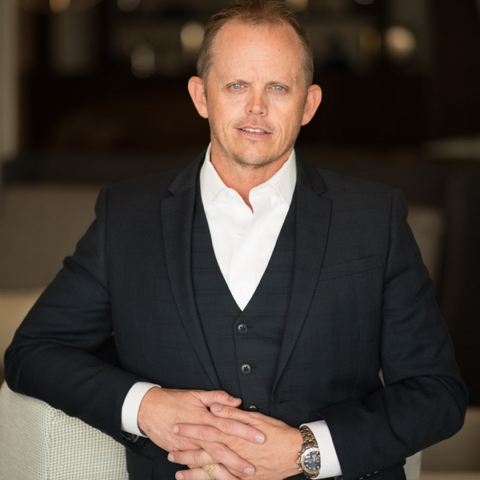
George Wright III
George Wright III is an entrepreneur, investor, and the host of The Authority Formula Podcast. Over more than two decades he has founded and scaled several multimillion-dollar companies and built a renowned seminar business that put some of the world's biggest names and brands on stage. With 25+ years across marketing, sales, and executive leadership, he has made a career of turning expertise into authority — and authority into lasting influence.
Today his mission is singular: help driven entrepreneurs and experts position themselves as the trusted authority in their field. Through The Authority Formula Podcast and Authority Media Network, George shares the strategies that turn knowledge into a platform, audience, and brand that compounds over time.
More about George →