Candice Amundson on Short-Term Rentals, Data-Driven Investing, and Building Authority in Real Estate
George Wright III sat down with Candice Amundson, an investor realtor based in the Twin Cities, for a conversation that covers far more ground than a typical real estate interview. Partnering with Valiant CEO Magazine, George brings guests like Candice to The Authority Formula Podcast specifically because their stories carry lessons that transfer well beyond any single niche. Candice specializes in vacation and short-term rentals, but what she shares about scheduling, connecting with the right people, and turning personal adversity into professional momentum applies to any entrepreneur trying to build something meaningful.
As a single mother, a domestic violence survivor, and a self-described adventurer who has turned a love of the outdoors into a specialized real estate practice, Candice demonstrates what it looks like when your personal story and your professional expertise are genuinely the same thing.
How Candice Amundson Built a Short-Term Rental Niche
Candice's path into short-term and vacation rentals was not the result of a calculated market pivot. She grew up in Minnesota hiking, biking, canoeing, and pursuing winter sports, and as she began traveling and staying in investment properties herself, she recognized what made some experiences stand out. That firsthand exposure to the hospitality side of real estate gave her a lens that purely data-driven investors often miss.
She now helps clients buy and sell in the Twin Cities but has expanded her reach to assist investors anywhere in the United States who want to understand the short-term rental business. Her clients are not just looking for properties; they are looking to create experiences.
Why Zoning and Local Regulations Are the Biggest Blind Spot for New Investors
One of the first things Candice flags for anyone entering the short-term rental space is the gap between what a market looks like on paper and what the local regulatory environment actually allows.
In the Twin Cities, for example, most HOAs do not permit rentals under 30 days, which effectively locks many properties out of the Airbnb market but opens them up for midterm rentals, a completely different strategy with different economics. Duluth, a high-demand Minnesota vacation market, has minimal permits available and a wait list that makes entry difficult regardless of how good the revenue projections look.
A lot of investors don't know some of those nuances.
Understanding zoning before you underwrite a deal is not optional. Candice coaches her clients to research local ordinances, HOA rules, and permit availability as a first step, not an afterthought.
What Data Tools Actually Tell You (and What They Don't)
Candice uses multiple data tools and is emphatic that relying on any single source is a mistake. She references AirDNA, BiggerPockets calculators, InvestTR by Barillio (which covers both midterm and short-term data), and PriceLabs for generating pre-purchase reports.
But she is equally clear about the limits of data. A single mismanaged calendar block on an Airbnb listing can skew occupancy numbers and make a property look worse or better than it is. Data is objective, but the inputs are not always clean, and the analysis requires judgment.
The takeaway for investors: build a toolkit of at least two or three sources, learn how to cross-check them, and never let a single metric make the decision for you.
How to Stand Out in a Crowded Short-Term Rental Market
When George asked Candice for a strategy that works anywhere, she pointed to uniqueness and experience as the primary differentiators.
This plays out in two ways. First, the property itself: A-frames, tiny homes, and architecturally distinctive structures attract attention that a standard house cannot. Second, the amenities and details: snowshoes for winter destinations, kayaks and paddleboards near lakes, e-bikes in urban markets. The goal is to match the experience to the reason guests are coming to that location in the first place.
She also flagged maximalist interior design as an emerging trend, citing a property in Northeast Minneapolis called the Dollhouse Northeast, which features leopard print, a spiral staircase, zebra patterns, and neon lighting. That kind of distinctive environment generates social media content organically and puts the property in a category of its own.
You're not in competition. You're kind of creating your own wave.
When Midterm Rentals Make More Sense Than Short-Term
Candice positions midterm rentals as a lower-risk entry point for investors who are not yet ready for the operational demands of a high-turnover short-term rental. The key is identifying why people are traveling to a particular location for 30 to 90 days at a time.
Traveling nurses are the most commonly cited midterm tenant, but Candice pushes investors to go deeper: which hospitals pay more? Better-paying facilities attract more nurses, which can create consistent demand in specific ZIP codes. She also emphasizes that midterm properties need to be easy to access, ideally near public transportation, and that the amenities need to match a longer-stay profile.
Run the numbers, use pricing tools, and identify your guest before you buy.
How Turning Adversity into Purpose Built Her Business and Her Community
Candice's professional accomplishments are grounded in a personal story that George took time to unpack on the episode. As a domestic violence survivor, she channeled her experience into opening a pet-friendly domestic violence shelter in her local community, where survivors can stay with their animals. She named it Linus's Pet Haven after her own dog.
The shelter took about two years from vision to reality, and the final version turned out differently from what she originally imagined. Instead of a separate facility, residents keep their animals with them in their rooms, which Candice says is actually closer to the core goal: healing alongside the people and animals they love.
George framed her story as a textbook example of taking your mess and making it your message, and of building a life where business, passion, personal history, and community impact all reinforce each other rather than competing for attention.
Action Steps
- Map the regulatory landscape before you analyze the revenue. Look up HOA rules, local ordinances, and permit availability for any market you are considering before you run a single number.
- Build a multi-source data toolkit. Use at least two or three tools (AirDNA, InvestTR by Barillio, PriceLabs, BiggerPockets calculators) and cross-check them rather than relying on any single source.
- Design for an experience, not just occupancy. Identify why guests come to your market and build amenities that match that reason, whether that is winter sports gear, water equipment, or a distinctive interior that earns its own social media following.
- Protect your non-negotiables by scheduling them first. Put personal commitments on the calendar as appointments before anything else, then fill around them.
- Partner with local experts who have actually done what you are trying to do. A realtor or property manager with direct experience in your target market is not a luxury; it is a risk-reduction tool.
Candice Amundson is proof that real estate expertise, authentic connection, and a clear sense of purpose are not separate pursuits. They compound. Whether you are buying your first investment property or figuring out how to make your business feel like an extension of who you are, her story is a reminder that it is never too late to start living the life you were meant to live.
Candice Amundson
Candice Amundson is an Investor Realtor® in the Twin Cities specializing in vacation and short-term rentals. She provides personalized, data-driven advice and employs strong negotiation skills to help clients achieve their investment goals. As a single mother to a 13-year-old and a dog, Candice embraces adventure, exploring Minnesota’s trails and traveling. These experiences foster resilience and adaptability—qualities she integrates into her life and business. Active in community events and volunteer work, Candice builds meaningful connections that deepen her understanding of local neighborhoods and create partnership opportunities, enhancing the guidance she offers clients. Her experiences have shaped a compassionate and determined approach, ensuring she effectively advocates for her clients’ best interests. Whether investing, selling, buying, or seeking global connections, Candice is dedicated to assisting clients through life’s significant moments with expertise and unwavering commitment.
Read the full transcript
Welcome back to the Authority Is podcast, where we help you to grow your business, attract new opportunities, and outpace your competition. My name is George Wright III. I'm your host, and I've been partnering up with Valiant CEO Magazine to bring you the hottest entrepreneurs, thought leaders, and experts from around the world that are crushing it in business. Together, we're going to unpack strategies and tactics that they're using to become the authority in their field. And my goal is to help to inspire and motivate you to do the same. So let's get right into it. All right, welcome back to George Wright III. And I've got a good friend, someone that I've gotten to know as well as an amazing person for the podcast today. So I'm excited to have you here, Candice. How are you? I'm good. Thanks for having me. Yeah. Listen, I want to give a little background on yourself. But for those of you that are first time listening, our goal is to give you that daily dose of inspiration and education, but also I really want to share techniques and strategies and tactics with you. And that's what we're going to do today. And so let me give you a little bit of Candice's background. Candice is an investor realtor in the Twin Cities. She specializes in vacation and short-term rentals, but she provides personalized and data-driven advice and employs strong negotiation skills to help her clients achieve their goals. So as a single mother to a 13-year-old and a dog, I would add, Candace embraces adventure. She's an outdoors person, but she's got a ton of experience and resilience when it comes to business and real estate. So I'm super glad to have you here today. Would you do me a favor, Candace, would you kind of give everyone a little bit of your background just so they can get an idea kind of where you're from and what you've been doing and what brought you into this niche in the real estate market? Yeah, absolutely. So I am originally born and raised in Minnesota and I've experienced a lot of things outside, hiking, biking, canoeing, um, a lot of the winter sports as well. So I naturally like to travel and just explore. I, um, ended up in real estate and I, so I right now currently I'm helping people in Minnesota buy and sell real estate, but also it's gotten me into the short-term rental or the vacation market, just traveling myself. I've been able to experience some of the, you know, really luxury types of amenities and some of the nuances that go into being an investor. So I've taken some of those things and really get creative with people here in the Twin Cities area. And recently now I've been, you know, expanding to anywhere in the U.S. to really help people understand what it takes to, you know, be in this hospitality business. So I think from the experiences of the adventure, the adventurous side of myself, that's just naturally what I've used in, you know, my local markets. Yeah. And that's what got you into it, right? That to get into this niche, it's because you're just passionate about adventure and all of that. So that's awesome. Now, a question for you as a single mom and entrepreneur, how have you been able to balance the demands of your business and family life while also continuing to grow your investments. What do you, how do you, what's your, what's your secret there? Yeah, I would say using my schedule and always putting on the things that are, they're non-negotiables, you know, and they're all appointments. So when I have dinner with my son, it's an appointment. So nobody knows it, it just has to go on first. The next thing is, is I put things on there, color coordinated so that I'm doing the thing that I know is going to be done in my best energy. So usually in the morning and that's my lead generation or my follow-ups and things like that. So, you know, you have to really be disciplined. And if, you know, something comes up, you have to choose, am I saying yes to this? Am I saying no to something else? And really make sure that you're doing what you need to do to get yourself to that goal. Yeah, I found over time, you know, people talk about being busy, not being busy. I think your calendar is absolutely a great indicator of your level of success and also drive. But I think a lot of people think that it's, you got to keep open times. I like to fill my calendar and then as things come up, decide and prioritize where I want to put it. And so I agree with that a hundred percent. I think it also is a great principle. If you're, if you're listening to this, you, you notice she said she fills in first the things that are important to her and then fills in around that. So that's a, that's a great success principle as well. Now you're known as a connector, right? So can you share how you've really turned the, there's a lot of people that are networkers and connectors, but you really are a great connector. Can you kind of give us an idea of how you've turned that skill into a income? Because there's so many people I know that are connectors and they're sociable and they've got relationships, but they just don't know how to monetize it. Like how have you been able to turn that into sort of passive income stream and business overall? Yeah, absolutely. So I'm very connected with educating and learning and growing. So I will listen to podcasts a lot of times. And if I really find somebody that stands out, that's unique, that's doing something really different, I will just go and find them and message them. And so I'm creating partnerships based on people that I think are doing something extraordinary in the place I'm looking to partner with. And sometimes they're very opposite of you. Or sometimes they have a very creative mind as well. And then once you create that relationship, a lot of times there's opportunities with investing and real estate that comes with that, either locally or through referral business. I do also attract a lot of people from all over the place that have Airbnbs that can use the same strategies and principles, no matter where they are. So when I meet those people, they are starting to become successful, and then they want more real estate. So they're going to need a realtor. So a lot of times I'm connecting them with people that I interview or that I'm already connected to that know that space. So it's just about continuing to find the really, really good partners, whether on podcasts, social media, and then just trying to build those relationships with them. So yeah. Yeah, I think you do a phenomenal job of that. And I think you said a key word there. And I always tell our listeners, you know, success leaves clues, but you've got to listen and go through the meaning because successful people have a certain mindset and you have taken it to the next level. A lot of people understand relationships are important, but you said a key word there. You said, and then attract, it attracts opportunities and things. And I think you're right. I think having good relationships builds trust but you found a way to attract opportunities through those relationships And I think that one of the things that makes you really good at what you do but that something people ought to really listen to So let talk real estate from real estate and investment strategies What are some of those biggest misconceptions people have when they enter into, for example, the short-term rental market? Because there's so many people look at, oh, shiny object, it was super great opportunity. But what are some of the big misconceptions people have? Because you've had so much success in that area? Yeah, I think it surrounds the zoning and the regulations. So a lot of people don't understand when they come to a market, what things they can and can't do or how to pivot if there are any like new regulations or things that the city is imposing. We need to know how to overcome those things. And so that's probably one of the biggest things. For an example, Twin Cities, Minneapolis, it's very well known that most of the HOAs don't allow, you know, the short term. So anything under 30 days, but they're, they're great for midterm rentals, but it's a difference. It's a whole different ballgame, you know, when you're looking at that. So, um, so a lot of investors don't know some of those nuances. Another market is Duluth, very, very well known for Minnesota. Um, there's very minimal permits that are allowed. There's a wait list. There's a lot of regulation around it. So even though it is a great revenue producing market, it's very hard to get into because of the restrictions. So I think that's probably the the biggest misconception. Well, so I agree with you. And it's kind of like a lot of people have to go into the markets eyes wide open, but also not let that make them hesitate. You're a big fan and a big believer and you drive a lot of conversations around data-driven decisions. And so I know you're a very heavy data individual as well. Do you have any, when it comes to suggestions. Do you have any tools and strategies that you use to sort of identify both opportunities or key areas to kind of look at when it comes to investing in these markets? Yeah. So I would say my greatest advice is to find a number of tools. If you're just relying on one source, that could be a problem. So of course, we all know of AirDNA, BiggerPockets has a lot of calculators. And depending on what strategy you're looking to do in real estate, I personally subscribe to one called InvestTR by Barillio that does midterm and short-term data. You can also use things like price labs that can help you create and run reports before you purchase a property. And then just knowing, I mean, data is just objective. Everything that we put into that is all subjective. So we just need to remember that the way things are reported sometimes to be as simple as somebody blocks the calendar off wrong in their Airbnb and then throw off all the numbers. So you just need to be able to take the data and then actually know how to analyze it and see what's real and not. And you have to use multiple tools to do that. Yeah, I love that because so many people, they let emotions and things get into their investing. And really, the key always comes back down to data. Let me ask you about a specific tactic. Is there anything, you know, people looking to get into vacation rentals, do you have a particular strategy or some kind of a secret strategy that you apply anywhere or something that could be applied anywhere that stands out for you? Yeah, I would say being unique or being an experience. So whether that's the shape of the property, so you could look at those tiny homes, A-frames, you know, anything that's unique. And then I would say also on top of that, adding amenities that are just very rare or that are going to really help you stand out. You can do some research with data to find out what most people have, like hot tubs, sauna, you know, whatever. But really thinking of outside the box, like adding snowshoes if it's in an area where you can do that. Or, um, you know, if you're by the lake, maybe consider fishing poles, paddle boards, um, kayaks, you know, um, bikes, if you're in a metro area, e-bikes or something like that. So really just try to, um, go with the location, figure out why people are coming there and then try to make this be an experience on its own. I really think that being unique, um, and maybe the property does look like a normal house on the outside, but in the inside there is a wall or a secret door that opened. up and then there's a whole, you know, theater behind it or something that keeps the guest kind of searching for more, a secret amenity. So as long as you can do something really unique, I think you can outshine because you're really not in competition. You're kind of creating your own wave. Yeah, well, it's just like branding. We talk about on our shows all the time. It's, it's, you got to stand out and being unique is a key to doing that. I love that recommendation and strategy. So you've also mentioned that midterm rentals can often be more profitable with fewer expenses. So what are some kind of ideal scenarios where investors should consider a midterm over a short-term rental? Yeah, so I think you always have to have an analysis of your own risk. You know, it's going to be a little less risky to have a midterm versus short term. So I think once you feel comfortable going with that strategy versus the long term, which is like an annual, I think then you want to start researching markets. So thinking, and we all know about the traveling nurses, but maybe research like what hospitals pay more, because then you might have a surge of nurses that are going to a particular area because of either they pay more, there's better accommodations, there's more to do there. it's easy to be transported around if it's by public transportation. So think about those types of things about the ease of the location. And then of course you want to make sure you run the numbers. You always have to do that and using pricing tools and things. But I do think that doing that research to really determine where people are going and why they're going there is going to help you understand who your guest is so you can market them. Yeah, I like that. I like that a lot. Okay. So let's do this. Let's shift into a few kind of market trends. And then I want to, I really want to pick your brain and your mindset around, you know, growth mindset. So I guess one of the questions I had for you is I wanted to ask you, what are some emerging market trends in vacation rentals that maybe investors should be putting on their radar? What I want to get at here is, are there any kind of trends you see happening from your perspective? You've got a pretty successful background in this. What should people be looking for? Yeah, I think it's uniqueness, once again, is a really big trend. So I've also seen a lot of the boutique hotels that are coming out The maximalist type of design is very common right now What is that What that I haven heard that That where it off the wall So big huge murals, feather, just really off the wall. So we have a property here in Northeast Minneapolis called the Dollhouse Northeast. And it is leopard, spiral staircase, zebra upstairs, um neon lights so it's very eclectic and very vintage like so it's it's kind of a trend that i'm seeing so one i just saw was in california um and it's just a common thing i'm seeing so that or um people are looking for different types of um airbnb properties so one is looking i was talking with recently about using a cave and turning it into um you know a rental so that they can have an experience by a waterfall in an actual cave in a cave. Yeah. So yeah, there's a lot of really unique and people experiential. You said like somebody that's going to get it. That's not just unique, but you get an experience. I got you. Yes. Yep, exactly. So those are, I would say the top trends right now. Okay. So that, that actually leads pretty well into this whole, you know, kind of movement and, and trend in the marketplace of influencer and social media marketing and things like that. So what have you done, or I don't know if you have recommendations or something, but what have you done to leverage digital marketing to kind of increase bookings and revenue and stuff like that? Because especially with those topics, that seems like that would fit really well with influencer or digital marketing. Yeah, I think it comes down to just being involved in certain groups and like Facebook, social media, you know, any whatever market that you're in or social media platform and just communicating with people, providing insights and value. And that's where I think a lot of it comes from is just like that community of the same like minded people. So I attribute it to that. Well, and, you know, you probably see this as much as I do. I think sometimes people are afraid to get online and stuff like that. But what they I think that the tipping point for me has always been when I talk to people, when they realize the power of just being you and being authentic, it, it takes the fear away because like as a marketer, the stuff that I feel like is going to do the best, it's polished, it's in the studio and everything never does as good as like just being on your iPhone or whatever. So I think, uh, have you seen that as well? Because I know that people, when they get over the fear of, you know, really embracing digital media because they realize that authenticity is key is when they really start to explode their business and do better. Yeah, absolutely. And like, even if you're not physically on the camera, if it's just your voice and you're showing video of something, kind of give an example. Yeah, exactly. I feel like that's very true. Play to your strength, right? Or play to your comfort level to start and then you kind of get out of it. Now, you're obviously on audio, video. You've been in our magazines. You've been featured. you're on TV, you're doing stuff with the mayor, like you've got things going on, but it didn't start that way. Right. I mean, you, you, you obviously had to evolve into that as well. Oh yeah. And there was a lot of times where I would, I just wouldn't do anything because I was trying to get the backdrop or the sound or, you know, you just try to do everything so perfectly that, yeah, it didn't start out nice. It was Rocky. Wow. Well, you know, it's funny because you definitely have, you know, the professional persona, everything kind of seems easy to you and stuff. So that's why I really wanted to, in the short time we had, also touch on this other subject of just resilience and a growth mindset, because you faced personal challenges. I mean, including being a domestic violence survivor and your experience has shaped your resilience and problem solving. What do you give us just a little bit of that? Like, what do you feel like with your background, and maybe people can relate to this, has not only been something that maybe a lot would feel like happened to them, but happened for you because it shaped your resilience, right? Can you speak to that for a second? Yeah, absolutely. And I feel like I am very, had a lot of adversity. And, you know, you really can look at things from two different perspectives. You can be a victim or you can say, why is it happening for me? What do I need to learn from this. And, you know, and now looking back now that I have, you know, opened the shelter locally here and allowing people to bring their pets with them to a safe place, um, is really just eyeopening. And, um, hearing that people are actually using the service too is, is really great. And I think that when you, you have to first have this dream, and I know you've talked about this a lot, like you have to be able to dream it in your mind and then actually be able to, to, you know, see it out. And so it was about two years from when I had this vision. It didn't turn out like how I visioned it originally. It was even better, actually. The way I originally visioned was like a separate shelter or building. And now what's happening is that people have the animals in their room with them. So the ultimate goal is to have healing with people and their pets. And now that's possible. And so it's really cool to me to look back at it and say, oh, that's why that happened for me so that I was going to be able to do this. And, you know, and of course it was named after my dog Linus's pet haven. So, um, there'll always be a legacy of, you know, something that I started and, you know, so it's, it's really cool how it evolved. But like you said, you have to have this like dream in your mind or a thought and then, um, it comes to fruition. Yeah. And I, yeah. And I want to unpack this for a few of our listeners, cause they may not have necessarily totally grasp this, but what she's talking about is a pet friendly domestic violence shelter and this concept that she has a dream. So this is why I want to unpack it. Number one, this is a perfect example of someone who's taken their mess and made it their message, right? It's something where something didn't happen to you, it happened for you. And you said you could do this, but I want to make that emphasis that you have to choose to have that philosophy and filter and perspective on your life. So that's the first thing. Then you decided that and you created a vision of a dream of what you wanted to accomplish. And you tied into it the stuff that you're passionate about, pet, family, overcoming domestic violence, right? So this is, it's like the most perfect example I could give of personal development and growth mindset because you're doing and you're tying it to real estate, which is your profession. So your unique talent your passion your message your background you kind of pulled it all together And from the outside looking in most people would go like how would you even come up with pet friendly domestic violence real estate related topic? And we just unpacked it for you. So if you didn't catch it, you're going to have to rewind and listen. The point here is she's applied all these principles and it really has come full circle into what I like to say is this holistic approach to creating a great epic life, right? You've taken your background and your message, your profession, your passions for animals and your things like this and put it all together. And now, correct me if I'm wrong, but you don't have like a family and a business and a personal and a social, like it's all one thing for you, right? You're creating your best life by pulling those all together, would you say? Yeah. Yeah. And that's when I think you are successful is when you actually achieve the things you intend to do. So even though it took two years to do this, once I got to that level, it was like, this is what it feels like. This is awesome. You know? So yeah, I agree. I love it. So what would you say is the most rewarding for you personally, the most rewarding thing, um, about your life when it comes to work and family right now, you know, what, or maybe even specific to work, what's the stuff that you find the biggest joy in? Um, I think when I work with somebody, whether it's like another realtor, an investor, um, you know, whoever it is, and I give them an idea and it actually works or they start to see results from it. And then who is their biggest cheerleader? Of course, me. So they come back to me and they're like, Hey, I just did this and this happened, you know? And it's like, we have this, like, you know, no one else can be in this room, right? We're the two only people that can be as excited as we can be together. So it's something that you get to share with that other person, like the excitement and the joy when they see the result. Like that's really when it hits. Yeah. Well, it's the come to fruition of your dream and your vision as well. So what's next for you, by the way? You know, any exciting projects and things you have on the horizon? What are you working on next? Yeah, I'm looking for a short term rental right now, northeast Minneapolis, south Minneapolis or a certain area like Summit in St. Paul. the goal is to make this a unique or an experiential kind of a you know property also use it to do case studies and and tours and things like that so that if people want to learn how to you know start a short-term rental they the property and I'll help them so that's next and owning 10 short-term rentals this year so I am on the lookout in certain markets for certain things so yeah I love that I actually love the idea of you documenting that whole process so it's not just ending up being a case study, but the documentation of how you've done that. I think a lot of people would get value out of that. And you do a phenomenal job of stuff that we talk about with our core clients, building authority. But what I love about what you do is rather than making it a, I'm going to go create credibility in the marketplace, you just live your life. You do what you do, you enjoy it, and you find ways to really put that out there for your clients and for the community that you have. So before we take off here, if you had, let's say there's listeners that we have that are just starting their real estate investing journey, what would you give them as maybe one piece of advice of where to start with their journey? What would be your advice to them? Well, that's a pretty loaded question. I would say, make sure that you're learning from credible sources, you know, so listening to everything you're hearing. And, you know, sometimes the people you're talking to may not have the greatest advice because they haven't done it themselves. So find somebody who is doing it, doing it well, doing it, you know, better than most people. The other thing I would say too, is connect with somebody in real estate that knows the local area that's done it themselves. Really having a local expert, they're going to know the trends, the neighborhoods, the locations that you need to be in or the regulations so that you're not getting into something that, you know, may not bring you the most money. So I would say those two things first, you know, get good partners and definitely do market research before you just jump into a market and consider a few different things. I'll say just consider a couple things first so I can keep it short. You know, look at like what the political climate is in that area? Do people like short-term rentals? Is that something you'll have to overcome? And then also I would say, look at the teams that are available in the market, like property managers, cleaners, handy people. If you're in a market that you aren't going to have a tight group of people, it's remote, then that may be a problem for you. You may not be able to get a washer in two weeks. You might need to keep that in mind. So yeah, those are my pieces of advice. I love it. And, you know, I don't think we mentioned it on this episode, but we've had some conversations prior. You're a big proponent, just like myself, of having mentors and surrounding yourself with the right people because you're right. If you're going to do anything and you're going to do it right, you know, get around someone that can help you mentor, client, partner, JV, mastermind, whatever it is that can help you shorten that learning curve and assist you. So I do love that about you as well. well, let me do this. We're out of time, but what would be the easiest or best method for people to connect with you? How can we have people connect with you? Yeah, I normally don't do this, but for this, I will give you my actual calendar link. So if anybody that is watching wants to schedule just a one-on-one discovery call, 30 minutes, yeah, so you can put in the show notes for them. Yeah, no, I agree. And that's awesome. Thank you. Because I think the reason she says that is, I mean, obviously she's got a lot of things going on, but there may be some people that just have random questions. And I can tell you that, you know, Candice is very open, very willing to help. But that's part of her giving is really part of what makes up her personality and her success. So I will do that. I'll put it in the show notes. I'll also list out your social media handles and channels as well as your website. So we'll make sure we have that in the show notes. And so for those of you that want to connect with Candice, I would highly recommend. And what we'll do is we'll do a follow-up. We'll try to, if we can check back in on that case study of what you're putting together and make that available to our listeners as well. So, all right, guys, if you would do me a favor, share this show. I would really appreciate it. Meet the world to me. I look forward to talking with you more. And once again, my name is George Wright III. Have a great day. you
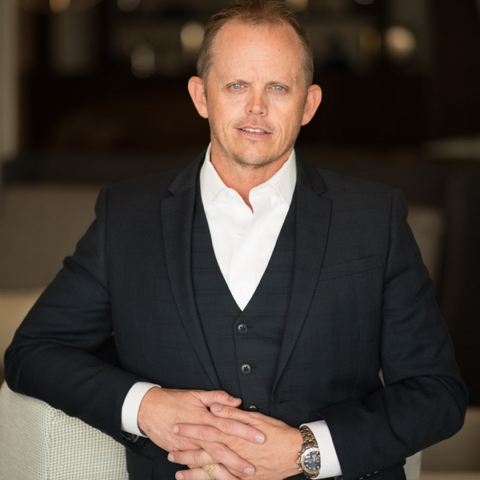
George Wright III
George Wright III is an entrepreneur, investor, and the host of The Authority Formula Podcast. Over more than two decades he has founded and scaled several multimillion-dollar companies and built a renowned seminar business that put some of the world's biggest names and brands on stage. With 25+ years across marketing, sales, and executive leadership, he has made a career of turning expertise into authority — and authority into lasting influence.
Today his mission is singular: help driven entrepreneurs and experts position themselves as the trusted authority in their field. Through The Authority Formula Podcast and Authority Media Network, George shares the strategies that turn knowledge into a platform, audience, and brand that compounds over time.
More about George →